The Classroom as a Second Home: Why Environment Shapes Learning
Jan 29, 2026
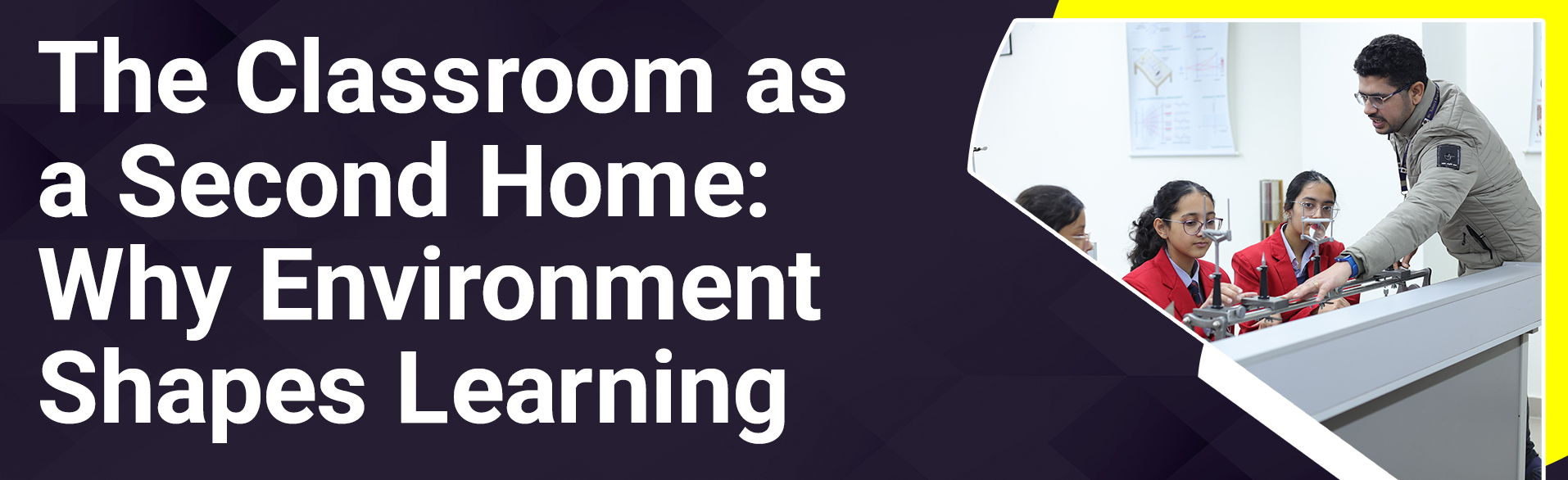
The first impression of a school rarely comes from textbooks or results. It comes from how a child feels while walking into a classroom. Parents sense it too. A room can feel open or tense, welcoming or distant. Learning grows quietly inside these daily moments. When classrooms feel steady, respectful, and thoughtfully designed, children carry confidence into every lesson. This environment shapes habits, curiosity, and emotional safety long before marks enter the picture.
How Do Parents Judge Top 10 CBSE Schools In Gurgaon Beyond Academics?
Parents often look past infrastructure lists and glossy brochures while considering the top 10 CBSE schools in Gurgaon. They watch how children settle into a space and respond to adults around them. A classroom that feels calm helps students listen without fear and speak without hesitation. Teachers who maintain consistent routines allow children to focus without emotional strain. When discipline feels fair, students understand boundaries instead of resisting them. These details influence learning outcomes quietly, yet deeply.
A supportive environment also reduces comparison among peers. Children learn to progress at their own pace. They participate because they feel valued, not pressured. Such classrooms encourage steady engagement rather than short bursts of performance. Over time, this consistency builds stronger academic habits and emotional balance.
Why Does The Best School In Gurugram Ensure Emotional Safety?
The best school in Gurugram ensures emotional safety as it allows children to take academic risks. When mistakes feel acceptable, learning becomes honest. Students ask questions without worrying about judgement. They attempt solutions instead of memorising answers. This mindset supports deeper understanding across subjects.
In emotionally secure classrooms, teachers notice subtle changes in behaviour. A quiet child receives gentle encouragement. An anxious student finds reassurance through structure. This awareness strengthens trust between students and educators. Trust, in turn, keeps attention steady during complex lessons. Over months and years, this environment supports memory, reasoning, and self confidence without creating pressure.
What Makes The Classroom Feel Like Home During School Admission In Gurgaon Decisions?
During school admission in Gurgaon, parents often observe small interactions. They notice whether teachers greet students by name. They see how children move freely without chaos. They listen to the tone of instructions and feedback. These signals reveal how daily learning feels beyond formal policies.
A classroom that feels like a second home balances warmth with order. Students know what to expect from each day. Routines guide them without rigidity. This predictability supports emotional regulation, especially in younger children. When families choose a school, they often choose this sense of belonging as much as academic promise.
How Does Physical Classroom Design Influence Daily Learning Behaviour?
A classroom layout shapes how children interact. Natural light supports alertness and reduces fatigue. Clear seating arrangements encourage focus while allowing collaboration. Open spaces help teachers move closer to students who need guidance.
Storage systems reduce clutter and distraction. Visual displays celebrate effort rather than perfection. These choices support attention without constant reminders. Over time, students learn to organise their thoughts alongside their belongings. This physical order quietly supports mental clarity and sustained concentration.
What Classroom Practices Support Belonging Without Pressure?
Effective classrooms follow practices that feel simple yet intentional. These habits support emotional stability and academic focus.
- A calm opening routine helps students settle before lessons begin.
- Clear expectations reduce confusion and behavioural stress.
- Balanced participation invites quieter students into discussions without spotlight pressure.
These practices create respectful engagement. Children participate because they feel included, not evaluated at every step. This approach supports confidence and reduces anxiety during learning.
How Do Teachers Shape Classroom Culture Through Daily Interactions?
Teacher presence defines classroom tone. Consistent responses build trust. Fair correction prevents fear. Warm acknowledgement encourages effort. Students respond strongly to how teachers listen and react.
When teachers model patience, students mirror it with peers. When feedback focuses on the process, children value learning over comparison. These interactions influence behaviour far beyond academic content. Over time, classrooms become communities where respect guides conduct naturally.
Why Does Peer Environment Matter As Much As Curriculum?
Children learn social cues alongside lessons. Peer relationships shape confidence and communication skills. A respectful classroom culture discourages ridicule and exclusion. Students support each other during challenges instead of competing constantly.
Group activities encourage listening and cooperation. Clear behavioural norms guide conflict resolution calmly. This environment helps children practise empathy daily. These skills support academic discussions and long term personal growth alike.
Conclusion
A classroom shapes learning long before assessments begin. When children feel secure, respected, and understood, learning becomes steady and meaningful. At St. Xavier’s Sector 89, classrooms function as second homes where structure supports curiosity and relationships guide progress. This environment helps students grow academically while developing emotional strength. Parents seeking thoughtful education value these daily experiences, knowing that strong learning begins with how a child feels each morning when they enter the room.